DSC Alarm System: A Comprehensive User Manual Guide (Updated 04/14/2026)
This guide provides detailed instructions for DSC alarm panels, including operation of keyfobs and understanding arming modes like Stay, Away, and Night.
DSC alarm systems are renowned for their reliability and advanced security features, protecting homes and businesses globally. This manual serves as a comprehensive guide to understanding and operating your DSC system effectively. Whether you have an HS2016, HS2016-4, HS2032, HS2064, HS2064 E, HS2128, or HS2128 E panel, this resource will detail its functionalities.
Proper system knowledge ensures optimal protection. Familiarize yourself with the different arming modes – Stay, Away, and Night – and how they cater to varying security needs; Remember to verify available modes with your alarm company. This manual will empower you to confidently manage your security.
Understanding Your DSC Alarm Panel
Your DSC alarm panel is the central hub of your security system. It receives signals from various sensors – doors, windows, and motion detectors – and responds accordingly. The panel’s interface, often a keypad, allows for arming, disarming, and programming. Understanding the panel’s display and indicators is crucial for interpreting system status.
Different DSC panels, like the HS2016 series or HS2128 models, may have slightly varying layouts. However, core functionalities remain consistent. Familiarize yourself with the panel’s features to ensure effective operation and quick response to any alarm events.
System Components & Overview
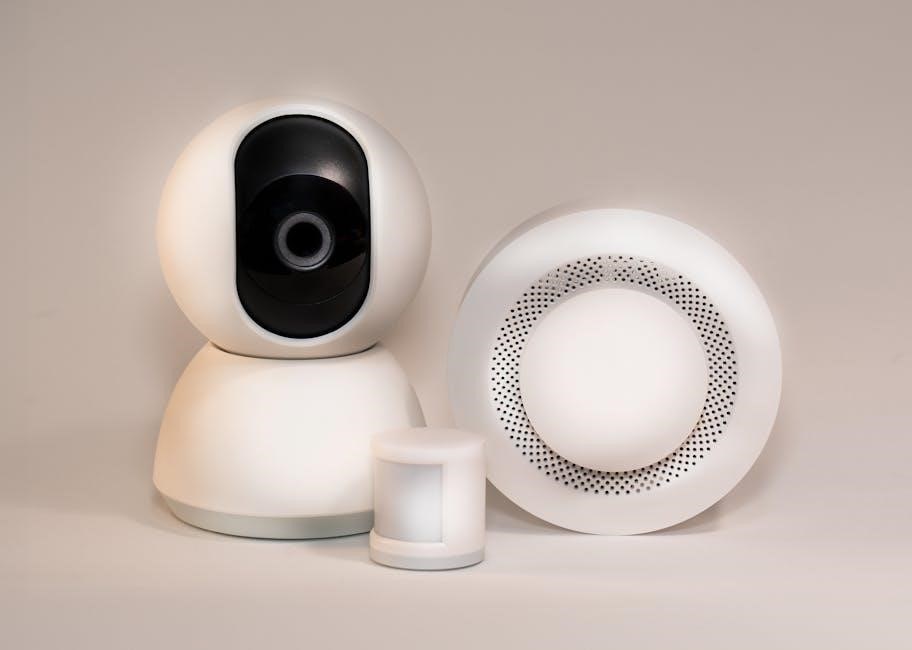
A DSC system includes a control panel, keypads, wireless keyfobs, door/window contacts, and motion detectors, all working together for comprehensive security coverage.
Keypad Functions & Navigation
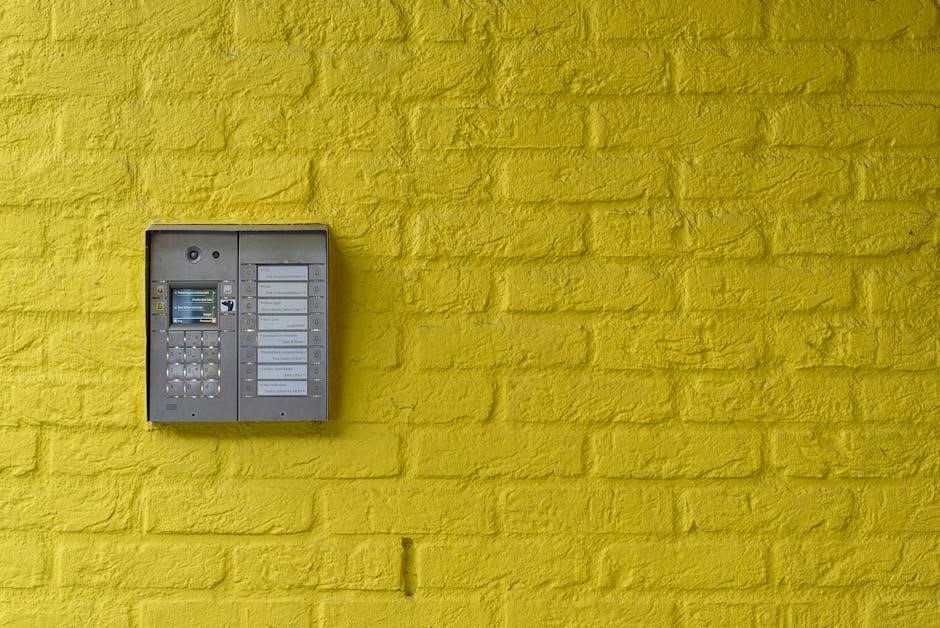
Your DSC keypad serves as the central interface for controlling your alarm system. Typically, number pads are used for entering user codes to arm or disarm the system. Dedicated keys often include ‘Arm Stay’, ‘Arm Away’, and ‘Disarm’ functions, providing quick access to common operations.
Navigation through menus is usually achieved using arrow keys and an ‘Enter’ or ‘OK’ button. The keypad display will show the current system status, zone information, and any trouble alerts. Familiarize yourself with the specific icons and messages displayed to effectively manage your security. Refer to your panel’s specific documentation for detailed instructions.
Wireless Keyfobs: Operation & Features
DSC wireless keyfobs offer convenient remote control of your alarm system. These compact devices typically feature buttons for arming in ‘Stay’ and ‘Away’ modes, as well as disarming the system. Some models include a ‘Panic’ button for immediate emergency response.
Activation is simple: press the corresponding button on the keyfob. A confirmation signal, often an LED flash, indicates successful transmission. Keyfobs utilize a three-channel wireless signal for reliable communication. Ensure batteries are fresh for optimal performance. Attractive, scratch-resistant designs enhance durability and usability.
Entry/Exit Delay Settings Explained
Entry and exit delays are crucial for preventing false alarms; The exit delay allows you time to leave the premises after arming the system, preventing immediate triggering. Conversely, the entry delay provides a window to disarm the system upon entering, avoiding an alarm activation.
These timers are programmable via the alarm panel. Adjusting these settings requires careful consideration of your routine. Shorter delays offer quicker response, while longer delays provide more convenience. Always verify settings with your alarm company to ensure optimal functionality and compliance with monitoring requirements.
Arming & Disarming Your System
This section details procedures for arming in Stay, Away, and Night modes, alongside disarming using codes or keyfobs for secure access control.
Arming Modes: Stay, Away, Night
DSC alarm systems offer versatile arming modes tailored to your specific needs. Stay mode secures the perimeter – doors and windows – while allowing movement inside the protected premises. This is ideal when someone remains at home. Away mode, conversely, activates all sensors, providing complete protection when the property is vacant.
Night mode is a customizable option, often used to arm perimeter sensors and potentially some interior motion detectors, offering a balance between security and convenience during sleep. Always verify available modes with your alarm company, as configurations can vary. Proper mode selection ensures optimal protection based on your current situation.
Disarming Procedures: Code Entry & Keyfob Use
Disarming your DSC alarm system is straightforward. The primary method involves entering your valid user code on the keypad within the designated entry delay period. Ensure accurate entry to avoid triggering a false alarm. Alternatively, many systems support disarming via a wireless keyfob.
Typically, pressing a designated disarm button on the keyfob will deactivate the system. Confirm successful disarming via the keypad display or audible confirmation. Remember to familiarize all authorized users with both methods for seamless operation and enhanced security. Prompt disarming prevents unnecessary alerts.
Bypassing Zones: Temporary & Permanent
Sometimes, you may need to temporarily disable a zone – for example, a window sensor during ventilation. This is called bypassing. Your DSC panel allows both temporary and permanent zone bypassing. Temporary bypassing deactivates a zone for a single arming cycle, reverting upon disarming.
Permanent bypassing requires accessing the system programming and should only be done if a sensor is faulty. Always document bypassed zones. Incorrect bypassing compromises security. Consult your alarm company before making permanent changes to ensure system integrity and proper functionality.
Zone Programming & Understanding
DSC systems categorize sensors into zones – doors, windows, and motion detectors – each programmed for specific responses during arming and disarming sequences.
What are Zones and Why are They Important?
Zones are fundamental to your DSC alarm system’s functionality, representing individual sensors or groups of sensors monitoring specific areas of your property. Think of them as distinct security checkpoints. Each door, window, motion detector, or even a glass break sensor is typically assigned to a unique zone.
Understanding zones is crucial for several reasons. They allow for precise identification of alarm triggers – knowing where an intrusion occurred. This pinpoint accuracy is vital for both you and the monitoring station. Zones also enable selective arming and disarming; you might choose to bypass a zone if a window is open, while still securing the rest of the house. Proper zone programming ensures optimal system performance and minimizes false alarms.
Common Zone Types: Doors, Windows, Motion Detectors
DSC alarm systems commonly utilize several zone types to provide comprehensive security. Door zones employ magnetic contacts to detect unauthorized entry when a door is opened. Window zones function similarly, safeguarding access points. Motion detectors, utilizing infrared or microwave technology, sense movement within a designated area, ideal for larger rooms or hallways.
Beyond these basics, systems can include zones for glass break detectors, smoke detectors, and carbon monoxide sensors. Each zone type requires specific programming and sensitivity adjustments for optimal performance. Understanding the characteristics of each zone type allows for effective customization and ensures reliable protection against various threats.
Troubleshooting Zone Faults & Alerts
Zone faults indicate a problem with a specific sensor or its wiring. Common causes include low batteries, loose connections, or a malfunctioning detector. Alerts signify a triggered zone, potentially indicating an intrusion. First, check the zone’s status on the keypad – is it “Open,” “Faulted,” or “Tripped?”
If faulted, inspect wiring and battery levels. A tripped zone requires investigation – verify if it was a false alarm (e.g., pet, wind). If issues persist, consult the system’s event log for details. Contact a qualified technician for complex problems or recurring faults.
System Settings & Customization
Personalize your DSC system by modifying user codes, adjusting entry/exit delays, and seamlessly programming wireless devices for enhanced security and convenience.
Changing User Codes & Access Levels
Maintaining the security of your DSC alarm system requires regularly updating user codes. Access the system settings through the keypad, navigating to the user management section. Here, you can add new users, delete existing ones, and, crucially, modify their individual access codes.
Different user levels grant varying degrees of control. Master codes offer full system access, while standard user codes are limited to arming and disarming. Carefully consider the appropriate access level for each user to prevent unauthorized changes. Remember to document all code changes securely and avoid easily guessable combinations. Regularly review user access to ensure continued system integrity.
Adjusting Entry/Exit Delay Timers
DSC alarm systems utilize entry and exit delays to prevent false alarms. These timers provide a grace period for arming and disarming the system. Access the programming mode via the keypad, typically requiring a master code. Navigate to the delay settings, where you can adjust the duration of both entry and exit delays.
Consider your household’s routine when setting these timers. Sufficient time is needed to exit the premises without triggering the alarm, and adequate entry delay allows for safe disarming upon arrival. Incorrectly set delays can lead to nuisance alarms or compromised security. Test the settings after adjustment.
Programming Wireless Devices
Adding wireless devices to your DSC system requires entering programming mode, usually accessed with a master code on the keypad. The system will prompt you to enroll new devices, often requiring you to initiate a transmission from the device itself – like pressing a button on a keyfob or opening a wireless door contact.
Each device needs a unique identifier assigned during enrollment. Ensure proper communication by checking signal strength. Refer to the device’s manual for specific enrollment instructions. Incorrect programming can cause malfunctions, so double-check all settings before exiting programming mode.
Alarm Events & Responses
Understand how to respond to burglar alarms, differentiate alarm signals, and proactively prevent false alarms through proper system maintenance and troubleshooting techniques.
Responding to a Burglar Alarm
Upon alarm activation, remain calm and prioritize your safety. Immediately verify the alarm’s source if possible, without confronting potential intruders. The system will likely contact a monitoring center; confirm their instructions and provide any requested information.
Do not attempt to apprehend the intruder yourself. If safe, evacuate the premises, ensuring all family members and pets are accounted for. Once safely outside, contact local law enforcement directly, providing your alarm address and details.
Await the arrival of authorities and do not re-enter the building until they deem it secure. Cooperate fully with the police investigation, offering any assistance they require. Remember, your safety is paramount during and after a burglar alarm event.
Understanding Different Alarm Signals
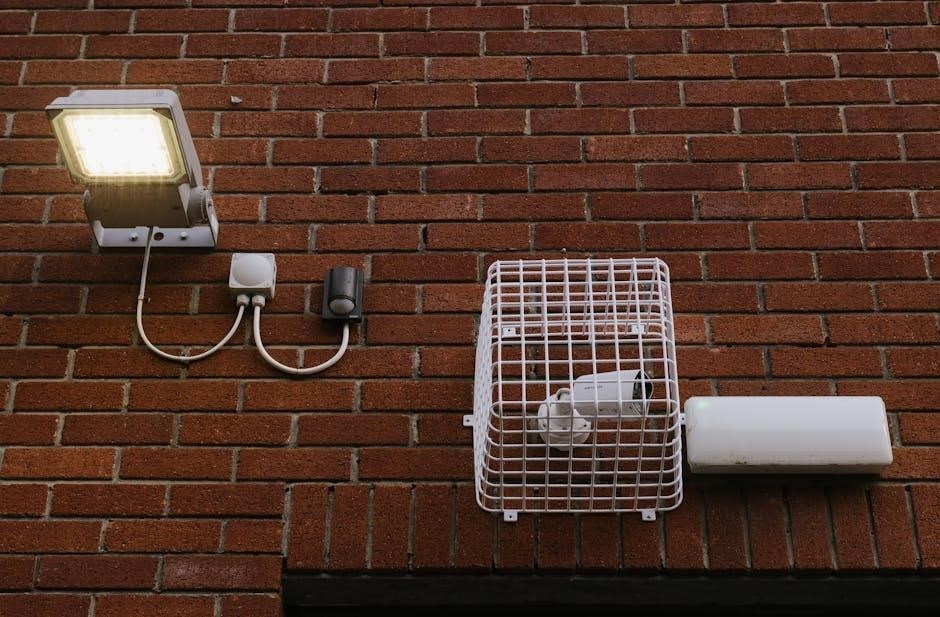
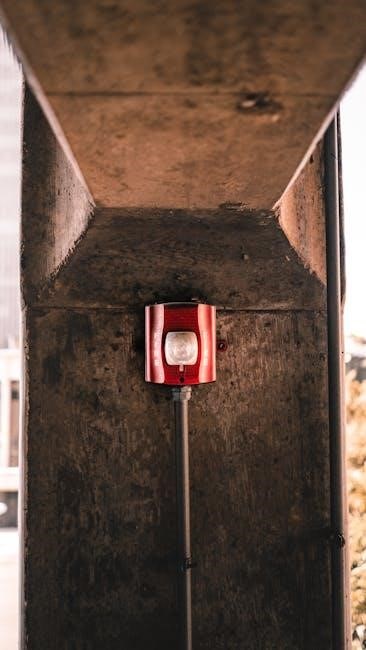
DSC alarm systems utilize various signals to indicate system status. A “burglar alarm” signifies unauthorized entry, triggering a loud siren and notification to the monitoring center. “Tamper alarms” alert to interference with system components, like opening the panel. “Fault alarms” indicate issues with zones – a door not fully closed, or a low battery in a sensor.
“Supervisory signals” confirm the system’s operational status to the monitoring center. Understanding these signals is crucial for proper response. A consistent, rapid siren indicates a confirmed intrusion, while intermittent beeps often signal a fault requiring attention.
False Alarm Prevention & Troubleshooting
Preventing false alarms is vital for reliable security. Ensure all doors and windows are securely closed before arming the system. Properly train all users on correct arming/disarming procedures and entry delay timings. Regularly check sensor batteries, as low power can cause erratic behavior.
If a false alarm occurs, immediately disarm the system. Review recent activity logs to identify potential causes – a pet triggering a motion detector, for example. Contact your monitoring company to inform them of the false alarm and avoid unnecessary dispatch fees.
Battery & Power Management
DSC systems utilize backup batteries for power outages. Regularly check for low battery warnings and replace batteries promptly to ensure continuous security coverage.
Low Battery Warnings & Replacement
Your DSC alarm panel is equipped with a low battery warning system designed to alert you when the backup battery is nearing the end of its useful life. This warning typically manifests as a “Low Battery” message displayed on the keypad, or through audible chirps emanating from the control panel itself. Ignoring this warning can compromise your system’s ability to function during a power outage.
To replace the battery, first disconnect the alarm panel from the main power source. Then, carefully locate the battery compartment – its location varies depending on the panel model. Replace the old battery with a new one of the correct voltage and type, ensuring proper polarity. Reconnect the power and test the system to confirm the warning has cleared and the backup power is functioning correctly.
Backup Battery Functionality
The backup battery within your DSC alarm system serves as a crucial power source during electrical outages, ensuring continued security even when mains power is unavailable. This battery automatically takes over, providing power to the control panel, keypad, and connected sensors, allowing the system to remain armed and operational.
However, the backup battery isn’t designed for indefinite operation; its capacity is limited. Regular testing, as outlined in the maintenance section, verifies its functionality. A fully charged battery typically provides several hours of backup power, sufficient for most power interruptions, but timely replacement is vital for consistent protection.
Power Outage Procedures
During a power outage, your DSC alarm system seamlessly transitions to backup battery power, maintaining security. The system will continue to function as normal, arming and disarming as usual, though you may notice a slight delay in keypad responses. Avoid repeatedly pressing buttons, as this drains the battery faster.
Refrain from making significant system changes during an outage. Once power is restored, the system automatically reverts to mains power, recharging the backup battery. Monitor the system for any error messages post-restoration, and perform a system test to confirm full functionality.
Advanced Features & Options
Explore remote access capabilities and smart home integration possibilities with your DSC system, alongside detailed event logging for comprehensive security history review.
Remote Access & Control (If Applicable)
Many DSC alarm systems offer remote access and control through a smartphone app or web portal, providing convenience and enhanced security management. This feature allows users to arm or disarm the system remotely, receive real-time notifications of alarm events, and check system status from anywhere with an internet connection.
Configuration typically involves linking the alarm panel to a monitoring service that supports remote access. Ensure your system is properly connected and that you have a valid account with the service provider. Familiarize yourself with the app’s interface and available features for optimal control and monitoring. Always prioritize secure password practices to protect your system from unauthorized access.
Integration with Smart Home Devices
DSC alarm systems can often integrate with various smart home platforms, enhancing automation and creating a more connected security ecosystem. This integration allows for features like automated lighting control upon alarm activation, voice control of the security system via smart speakers, and synchronization with other smart devices like door locks and thermostats.
Compatibility varies depending on the DSC panel model and the smart home platform. Typically, integration requires a compatible hub or interface module. Explore the possibilities to tailor your security system to your lifestyle, improving convenience and responsiveness.
Event Logging & History Review
Your DSC alarm panel diligently records a detailed history of system events, providing valuable insights into security activity. This log typically includes arming/disarming times, zone activations (including triggered sensors), alarm events, power outages, and system faults. Accessing this history allows you to review past occurrences, identify potential issues, and verify system performance.
The method for reviewing the event log varies by panel model; consult your specific panel’s programming manual. Some systems offer remote access to event logs via a mobile app or web portal, enhancing convenience and monitoring capabilities.

Troubleshooting Common Issues
This section addresses frequent problems like unresponsive keypads, wireless device communication failures, and system error codes for quick resolution.
Keypad Not Responding
If your DSC alarm keypad isn’t responding, begin with simple checks. Ensure the keypad is properly powered – verify the connection to the alarm panel and check for any tripped breakers. A low battery can also cause issues, especially with wireless keypads; replace the batteries immediately.
Next, attempt a system reset by powering down the entire alarm panel for approximately 30 seconds, then restoring power. If the problem persists, inspect the keypad’s wiring for any loose connections or damage. Consider if recent programming changes might have inadvertently disabled the keypad. If none of these steps resolve the issue, contacting a qualified alarm technician is recommended for further diagnosis and repair.
Wireless Device Communication Problems
Experiencing communication issues with your DSC wireless devices? First, check the battery levels in the affected sensors or keyfobs – low batteries are a common culprit. Ensure there are no physical obstructions interfering with the signal between the device and the alarm panel. Metal objects and thick walls can significantly reduce range.
Attempt to re-synchronize the wireless device with the panel, following the instructions in your system’s programming guide. If problems continue, check for potential interference from other wireless devices. If these steps fail, consult a professional alarm installer to diagnose potential antenna issues or panel malfunctions.
System Errors & Diagnostic Codes
DSC alarm panels utilize diagnostic codes to indicate system malfunctions. These codes, displayed on the keypad, help pinpoint the source of the problem. Consult your panel’s specific documentation for a complete list and explanation of each code. Common errors include sensor faults, communication failures, and power supply issues.
Record the error code accurately before attempting any troubleshooting. Some codes may require professional attention. Avoid making changes to the system’s programming without understanding the implications. Contact your alarm monitoring company or a qualified technician for assistance interpreting complex codes and resolving persistent errors.

Maintenance & Care
Regularly test your DSC system and clean the panel/keypads with a soft cloth. Professional maintenance ensures optimal performance and longevity of your security system.
Cleaning Your Alarm Panel & Keypads
Maintaining the cleanliness of your DSC alarm panel and keypads is crucial for their proper function and aesthetic appeal. Always begin by disconnecting the power source to avoid any accidental electrical issues. Use a soft, dry cloth to gently wipe down the surfaces, removing dust and fingerprints.
Avoid using abrasive cleaners, solvents, or excessive moisture, as these can damage the electronic components or the finish of the devices. For stubborn marks, lightly dampen the cloth with water, ensuring it’s wrung out thoroughly before wiping. Pay particular attention to the keypads, cleaning around the buttons to ensure responsiveness. Regularly cleaning your system contributes to its longevity and reliable operation, safeguarding your home or business.
Regular System Testing
Consistent testing of your DSC alarm system is paramount to ensuring its functionality and your peace of mind. We recommend conducting a full system test at least once a month. Initiate a test by arming the system and then deliberately triggering each zone – opening doors and windows, or activating motion detectors – to verify signal transmission to the monitoring station.
Confirm that the alarm sounds and that the central station receives the appropriate signals. Document the test results and address any discrepancies immediately. Regular testing identifies potential issues before they become critical, guaranteeing your security system remains a reliable deterrent and responsive safeguard.
Professional Maintenance Recommendations
While regular self-testing is crucial, annual professional maintenance is highly recommended for your DSC alarm system. A qualified technician can perform a comprehensive inspection, checking wiring, sensor functionality, and battery health. They can also update system firmware to ensure optimal performance and compatibility with the latest security protocols.
Professional servicing identifies hidden issues, like degraded wiring or failing components, that may not be apparent during routine checks. This proactive approach extends the lifespan of your system and guarantees continued reliable protection. Consider a maintenance contract for scheduled visits and prioritized support.
Safety Precautions & Warnings
Always test your system weekly. Never disable the alarm without understanding the consequences. Contact your monitoring company immediately during emergencies or system faults.
Important Safety Information
Your DSC alarm system is designed to enhance your security, but it’s crucial to understand its limitations. This system relies on proper installation, maintenance, and user operation for optimal performance. Regularly test all sensors and the communication link with the monitoring center.
Never attempt to repair the system yourself; contact a qualified technician for any issues. Be aware that wireless signals can be affected by interference. Ensure batteries are replaced promptly when low battery warnings appear.
Familiarize all household members with the system’s operation, including arming, disarming, and emergency procedures. A properly functioning system significantly reduces risk, but cannot guarantee absolute protection against burglary or other emergencies.
This DSC alarm system, while highly effective, is not a guarantee against property loss, damage, or personal injury. Its performance depends on factors beyond our control, including proper installation, maintenance, and user adherence to instructions.
Wireless communication is susceptible to interference, potentially delaying or preventing alarm signals. Power outages or disruptions to communication lines can also compromise system functionality.
We are not responsible for losses resulting from system failure due to improper use, neglect, or acts of nature. This system is a deterrent and should be used in conjunction with other security measures for comprehensive protection.