
American Survival Guide: A Comprehensive Overview
American Survival Guide, reborn in 2011, caters to diverse survival preparedness goals, building upon its 1978 origins with a motorsports enthusiast’s vision.
Survival preparedness isn’t merely about thriving in extreme wilderness scenarios; it’s a holistic approach to bolstering resilience against any disruptive event. This encompasses natural disasters, economic downturns, or even personal emergencies. American Survival Guide champions this mindset, recognizing that preparedness is a spectrum, tailored to individual needs and perceived risks.
The magazine’s enduring appeal stems from its focus on practical skills and knowledge, empowering readers to confidently face adversity. Whether it’s mastering fire-starting techniques, securing potable water, or understanding basic medical aid, the core principle remains consistent: self-reliance.
Preparedness isn’t about fear, but rather about proactive empowerment. It’s about mitigating potential harm and increasing your capacity to navigate challenging circumstances, ensuring safety and well-being for yourself and those you care about.
The History of American Survival Guide Magazine
American Survival Guide first emerged in 1978, the brainchild of an unconventional motorsports enthusiast with a penchant for cowboy attire. This initial vision laid the groundwork for a publication dedicated to self-reliance and preparedness. However, the magazine faced periods of inactivity before being resurrected in 2011.
The 2011 revival marked a turning point, with new publishers aiming to reconnect with the magazine’s core readership. Their objective was to deliver content that resonated with diverse survival preparedness interests, acknowledging the varied motivations of its audience.
Since its rebirth, American Survival Guide has experienced renewed popularity, becoming a trusted resource for individuals seeking practical knowledge and skills. It continues to evolve, adapting to contemporary challenges while staying true to its foundational principles of self-sufficiency and resilience.
Core Principles of Survival
American Survival Guide consistently emphasizes several core principles crucial for preparedness. Paramount among these is self-reliance – the ability to meet one’s own needs in challenging circumstances. This extends to resourcefulness, utilizing available materials and improvising solutions when conventional tools are lacking.
Knowledge is another cornerstone, encompassing skills like fire starting, shelter building, and first aid. Adaptability is equally vital, as survival situations rarely unfold as planned, demanding flexibility and quick thinking. Maintaining a positive mental attitude, often referred to as “survival mindset,” is also key.
Finally, American Survival Guide stresses the importance of planning and preparation, advocating for comprehensive kits and proactive risk assessment. These principles collectively form the foundation for navigating unforeseen events and enhancing one’s chances of survival.

Essential Survival Skills
American Survival Guide highlights vital skills: firecraft, shelter construction, water sourcing, foraging, and first aid—foundational elements for resilience and self-sufficiency.
Fire Starting Techniques
American Survival Guide emphasizes mastering fire starting as a cornerstone of survival, offering techniques beyond matches and lighters. Friction-based methods, like the bow drill or hand drill, demand practice but provide independence. Utilizing natural tinder – birch bark, pine needles, or bird nests – is crucial when manufactured options are unavailable.
Understanding fire triangles – heat, fuel, and oxygen – is paramount. Preparing a proper fire lay, starting with tinder, then kindling, and finally fuel wood, ensures success. Consider wind direction and create a firebreak to prevent uncontrolled spread. Maintaining a fire requires consistent attention, adding fuel as needed and protecting it from the elements. American Survival Guide stresses that proficiency in fire starting isn’t just about warmth; it’s about cooking, water purification, signaling, and psychological comfort in a crisis.
Shelter Building Basics
American Survival Guide highlights shelter construction as vital for protection from the elements, conserving energy, and boosting morale. Prioritize location – avoiding low-lying areas prone to flooding and considering natural windbreaks. Lean-tos, utilizing a sturdy branch or ridgepole, are quick to build, offering basic protection from rain and wind.
Debris huts, though more labor-intensive, provide superior insulation. Frame construction with interwoven branches, then layering with leaves, pine needles, and moss, creates a surprisingly warm environment. Remember to insulate the ground beneath you to prevent heat loss. American Survival Guide emphasizes that even a rudimentary shelter significantly increases survival chances, offering respite from exposure and a psychological advantage in challenging situations. Proper site selection and efficient material use are key.
Water Procurement and Purification
American Survival Guide stresses that securing potable water is paramount for survival, as dehydration rapidly impairs physical and cognitive functions. Prioritize locating water sources – springs, streams, rainwater, and even dew collection. However, untreated water often harbors harmful bacteria and parasites, necessitating purification.
Boiling water for one minute effectively kills most pathogens. Alternatively, purification tablets or filters remove contaminants. Building a solar still can extract water from vegetation or damp ground. American Survival Guide advises constructing a simple filter using cloth, charcoal, sand, and gravel as a pre-filter before boiling or chemical treatment. Conserving water through minimizing exertion and avoiding diuretics is also crucial. Remember, finding and purifying water are equally vital.
Foraging for Edible Plants
American Survival Guide emphasizes that foraging for edible plants can supplement dwindling food supplies, but requires absolute certainty in identification to avoid poisoning. Never consume a plant unless you are 100% sure of its edibility, utilizing multiple reliable sources for confirmation. Focus on commonly known, easily identifiable plants in your region.

Learn to distinguish between edible and poisonous look-alikes. Start with easily recognizable options like dandelions, plantain, and cattails. American Survival Guide recommends the “Universal Edibility Test” as a last resort, but stresses its limitations and potential risks. Prioritize plants with readily identifiable features and avoid those with milky sap, beans/bulbs, or almond-like scents. Thoroughly cook foraged plants whenever possible to neutralize potential toxins.
Basic First Aid and Medical Preparedness
American Survival Guide highlights that a well-stocked first aid kit is paramount, alongside the knowledge to utilize its contents effectively. Prioritize training in essential skills like wound care, fracture stabilization, and CPR. Understand how to manage bleeding, burns, and common illnesses in a remote setting where professional medical help is unavailable.
Beyond the kit, learn to improvise medical supplies from natural resources when necessary. Knowledge of medicinal plants can be invaluable, but requires expert guidance to avoid misidentification and adverse reactions. American Survival Guide stresses preventative measures – hygiene, proper hydration, and avoiding risky behaviors – as the first line of defense against medical emergencies in a survival scenario.
Gear and Equipment
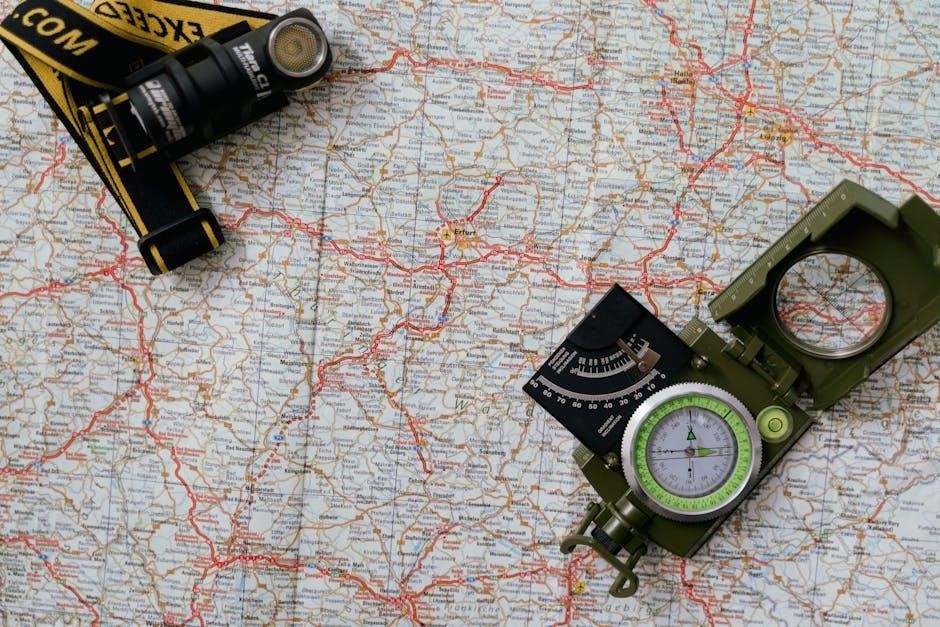
American Survival Guide emphasizes selecting durable, reliable tools—knives, multi-tools, navigation aids, and appropriate clothing—for maximizing preparedness in challenging environments.
Knives and Multi-Tools
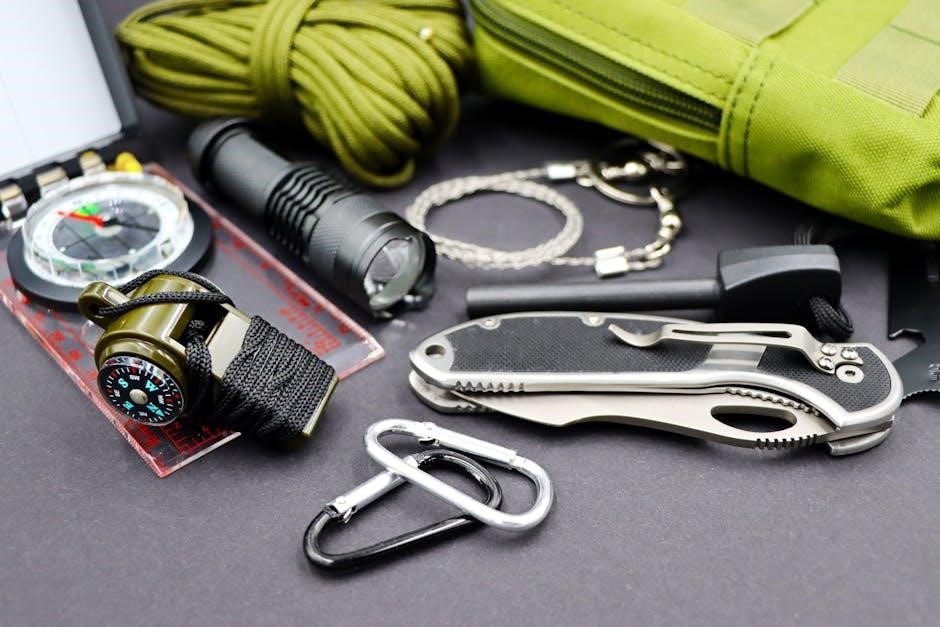
American Survival Guide consistently highlights the critical importance of a high-quality knife and a versatile multi-tool within any survival kit. A robust fixed-blade knife serves as a foundational tool for tasks ranging from shelter construction and fire preparation to processing food and self-defense. Considerations should include blade steel, handle ergonomics, and overall durability.
Multi-tools, offering a compact array of implements like pliers, screwdrivers, saws, and can openers, provide invaluable utility in diverse situations; American Survival Guide stresses selecting a multi-tool with locking blades and sturdy construction to ensure reliability when needed most. Prioritizing quality over quantity is key; a few essential, well-made tools are far superior to a multitude of flimsy ones. Regular maintenance, including cleaning and sharpening, is crucial for preserving their effectiveness.
Survival Kits: What to Include
American Survival Guide emphasizes that a well-assembled survival kit is paramount for navigating unexpected emergencies. Core components should encompass fire-starting tools (lighter, ferro rod), a reliable water purification method (filter, tablets), a signaling device (whistle, mirror), a first-aid kit tailored to potential injuries, and navigation aids (map, compass).
Beyond these essentials, American Survival Guide recommends including high-calorie food rations, a durable shelter component (tarp, emergency blanket), cordage for various applications, and a headlamp or flashlight with extra batteries. Personal items like medications and hygiene supplies are also vital. The kit’s contents should be adapted to the specific environment and potential hazards anticipated, ensuring preparedness for a range of scenarios.
Navigation Tools (Maps, Compass, GPS)
American Survival Guide stresses the critical importance of proficient navigation in any survival situation. While GPS devices offer convenience, reliance solely on technology is unwise due to potential battery failure or signal loss. A topographical map and a reliable compass remain indispensable tools, demanding practice and understanding of map reading and compass bearing techniques.
American Survival Guide advocates for mastering traditional navigation skills as a foundational element of preparedness. Knowing how to triangulate your position, follow a bearing, and interpret terrain features can be life-saving. GPS should be considered a supplementary aid, used in conjunction with, not as a replacement for, these essential skills. Regular practice ensures proficiency when it matters most.
Clothing and Personal Protection
American Survival Guide consistently emphasizes the significance of appropriate clothing as a primary layer of defense against the elements; Layering is key, allowing adaptation to fluctuating temperatures and conditions. Moisture-wicking base layers, insulating mid-layers, and waterproof/windproof outer layers are crucial components of a survival wardrobe.
Beyond thermal regulation, American Survival Guide highlights the need for durable, protective clothing to shield against abrasions, insect bites, and potential hazards. Sturdy boots with ankle support are essential for traversing varied terrain. Personal protection extends to items like hats, gloves, and sunglasses. Prioritizing quality and functionality over fashion can dramatically increase survival odds.

Survival in Specific Environments
American Survival Guide details strategies for wilderness, urban, desert, and cold-weather survival, adapting techniques to unique challenges and resource availability.
Wilderness Survival
American Survival Guide consistently emphasizes foundational wilderness skills, crucial for navigating and thriving in remote environments. Mastering fire-starting, shelter construction, and water sourcing are paramount, alongside proficient navigation using maps, compasses, and potentially GPS technology.
Foraging for edible plants requires careful identification to avoid poisonous varieties, while basic first aid knowledge is essential for treating injuries and illnesses far from medical assistance. The magazine often highlights the importance of understanding animal behavior, both for potential food sources and to mitigate risks.
Furthermore, American Survival Guide stresses mental fortitude and resourcefulness as key components of wilderness survival, advocating for preparedness and a proactive mindset when venturing into the untamed landscapes. Prior planning and knowledge are vital for a safe experience.
Urban Survival Strategies
American Survival Guide acknowledges that survival isn’t limited to remote wilderness areas; urban environments present unique challenges demanding specific preparedness. Strategies focus on navigating societal disruptions, from natural disasters to civil unrest, emphasizing self-reliance and community resilience.
Key considerations include securing alternative communication methods when traditional infrastructure fails, establishing safe havens, and developing skills in self-defense and situational awareness. The magazine often details methods for obtaining and purifying water in urban settings, as well as identifying potential food sources.
Furthermore, American Survival Guide stresses the importance of understanding local resources, building networks, and maintaining a low profile when necessary. Adaptability and a proactive approach are crucial for navigating the complexities of urban survival scenarios.
Desert Survival Techniques
American Survival Guide highlights the extreme challenges posed by desert environments, where heat, dehydration, and scarce resources demand specialized knowledge. Survival hinges on minimizing water loss, finding or creating shade, and understanding desert terrain and potential hazards like venomous creatures.
The magazine emphasizes techniques for locating water sources – even seemingly dry washes can hold subsurface moisture – and methods for collecting dew or utilizing solar stills; Navigation is critical, requiring map reading skills and awareness of landmarks. Protecting oneself from the sun’s intense radiation is paramount, utilizing clothing and improvised shelters.
American Survival Guide also covers signaling for rescue, understanding desert wildlife behavior, and rationing limited supplies effectively, stressing mental fortitude as a key survival component.
Cold Weather Survival
American Survival Guide stresses that cold weather survival demands proactive preparation and a deep understanding of hypothermia and frostbite risks. Maintaining core body temperature is paramount, requiring layered clothing, wind protection, and constructing effective shelters – snow caves or lean-tos – to minimize heat loss.
The magazine details fire-starting techniques crucial for warmth and signaling, even in challenging conditions. Finding or creating dry fuel is a priority. Water procurement becomes difficult as it freezes, so American Survival Guide advocates for melting snow or ice, and preventing hydration through careful rationing.
Navigation can be hampered by snowstorms, emphasizing map and compass skills. Awareness of avalanche terrain and wildlife behavior is also vital for successful cold-weather survival, alongside maintaining a positive mental attitude.

Dealing with Emergency Situations
American Survival Guide emphasizes preparation for natural disasters, self-defense, off-grid communication, and vehicle recovery – crucial skills for navigating unforeseen crises effectively.
Natural Disasters: Preparation and Response
American Survival Guide consistently highlights the critical importance of proactive preparation for a wide spectrum of natural disasters. This encompasses developing comprehensive family emergency plans, assembling readily accessible survival kits stocked with essential supplies, and securing your home against potential damage.
Effective response strategies, as detailed within the guide, involve staying informed about impending threats through reliable news sources and official alerts. Knowing evacuation routes, establishing designated meeting points, and understanding basic first aid are also paramount.
Furthermore, the guide stresses the need for post-disaster self-sufficiency, including securing alternative power sources, purifying water, and establishing temporary shelter. Prioritizing safety and resourcefulness are key tenets of navigating the aftermath of any natural catastrophe, ensuring resilience and recovery.
Self-Defense and Personal Security
American Survival Guide emphasizes that self-defense extends beyond physical confrontation, encompassing situational awareness and proactive risk mitigation. The publication advocates for understanding potential threats in various environments – urban, rural, or during disaster scenarios – and developing strategies to avoid dangerous encounters.

While acknowledging the potential need for physical self-defense, the guide stresses the importance of de-escalation techniques and legal considerations. Responsible firearm ownership, if chosen, is presented alongside comprehensive training and safety protocols.
Beyond weaponry, the magazine covers personal security measures like home defense strategies, securing valuables, and establishing a network of trusted contacts. Ultimately, American Survival Guide promotes a holistic approach to personal security, prioritizing prevention and responsible preparedness.
Off-Grid Communication Methods
American Survival Guide recognizes that maintaining communication during emergencies, when conventional infrastructure fails, is crucial for safety and coordination. The magazine extensively covers various off-grid communication methods, ranging from low-tech solutions to more advanced technologies.
Traditional methods like signaling with mirrors, whistles, and fires are presented alongside the use of two-way radios (FRS/GMRS) and Citizen Band (CB) radios. The guide details the advantages and limitations of each, emphasizing the importance of understanding radio range and licensing requirements.
Furthermore, American Survival Guide explores satellite communication options, including satellite phones and personal locator beacons (PLBs), for situations demanding long-range connectivity. The publication stresses the need for proper training and backup power sources for all off-grid communication tools.
Vehicle Survival and Recovery
American Survival Guide consistently addresses the critical role vehicles play in both facilitating escape from dangerous situations and potentially becoming a survival challenge themselves. Articles detail preparing your vehicle for various scenarios, emphasizing the importance of a well-stocked emergency kit tailored to potential environments.
The magazine provides guidance on basic vehicle maintenance and repair, enabling readers to address common mechanical issues in the field. Techniques for self-recovery, including winching, utilizing traction aids, and improvising tools, are thoroughly explained.
American Survival Guide also covers strategies for surviving if stranded in a vehicle due to weather, accidents, or other unforeseen circumstances, stressing shelter construction, signaling for help, and resource management.
Advanced Survival Topics
American Survival Guide delves into complex skills like trapping, fishing, and long-term food storage, equipping readers for prolonged self-reliance in challenging environments.
Trapping and Snaring
American Survival Guide frequently showcases the vital skill of trapping and snaring, essential for procuring food when other resources are scarce. These techniques, honed over centuries, offer a sustainable method of obtaining protein in a wilderness survival scenario. Articles detail various trap types – from simple snares utilizing readily available materials like cordage and branches, to more complex deadfall traps requiring careful construction and placement.
Understanding animal behavior, identifying travel routes, and properly camouflaging traps are crucial elements emphasized within the magazine’s guidance. Ethical considerations and legal regulations surrounding trapping are also addressed, promoting responsible and sustainable practices. American Survival Guide stresses the importance of practicing these skills before an emergency arises, ensuring proficiency and maximizing success when relying on them for survival.

Fishing for Survival
American Survival Guide consistently highlights fishing as a cornerstone of survival food procurement, particularly in environments with accessible water sources. The magazine details constructing improvised fishing gear from natural materials – crafting hooks from bone or wood, lines from plant fibers, and spears for shallow-water hunting. Articles emphasize identifying edible fish species and understanding their habits to increase catch rates.
Beyond basic techniques, American Survival Guide explores advanced methods like building fish traps and weirs, maximizing efficiency with minimal effort. It also covers preparing and preserving fish for long-term storage, crucial for sustained survival. The importance of water safety and recognizing potential hazards while fishing are also frequently addressed, ensuring a balanced approach to this vital skill.
Long-Term Food Storage
American Survival Guide frequently emphasizes the critical role of long-term food storage in comprehensive survival preparedness. Articles detail various preservation methods, including canning, dehydration, and utilizing oxygen absorbers to extend shelf life. The magazine stresses the importance of selecting non-perishable, nutrient-dense foods like grains, legumes, and dried meats for optimal storage.
Proper storage conditions are a recurring theme, with guidance on temperature control, humidity management, and pest prevention to maintain food quality. American Survival Guide also covers calculating caloric needs and creating a balanced food supply for extended emergencies. Furthermore, it addresses rotating stock to prevent spoilage and ensuring a sustainable food reserve for long-term self-sufficiency.