DSC 1832 Installer Manual: A Comprehensive Guide
This manual details the installation of the DSC 1832 system, offering a complete resource for professionals and users alike.
It covers everything from initial setup to advanced configuration, ensuring a smooth and secure installation process.
Furthermore, it provides essential guidance for troubleshooting and accessing support resources for optimal system performance.
The DSC 1832 system represents a robust and versatile security solution, designed for both residential and commercial applications. This comprehensive system provides a foundation for reliable intrusion detection, offering a range of features to safeguard properties and assets. Understanding the core functionalities of the DSC 1832 is paramount for successful installation and operation.
This manual serves as a detailed guide, walking installers through each stage of the process, from initial planning to final configuration. It emphasizes the importance of adhering to industry best practices and local regulations to ensure a compliant and effective security setup. The DSC 1832’s architecture allows for scalability, accommodating expanding security needs as requirements evolve.
Moreover, the system’s compatibility with various sensors and communication protocols enhances its adaptability. This introduction will lay the groundwork for a thorough understanding of the system’s capabilities, preparing installers for a seamless and professional installation experience. Proper installation is key to maximizing the system’s potential.
Understanding the Components
The DSC 1832 system comprises several key components working in unison to deliver comprehensive security. These include the control panel, serving as the system’s central processing unit, and a variety of field devices such as door and window contacts, motion detectors, and glass break sensors. Each component plays a crucial role in detecting and reporting potential security breaches.
Communication modules, including those for telephone lines, cellular networks, and IP connectivity, enable the system to transmit alarms to monitoring stations or end-users. Keypads provide a user interface for arming, disarming, and programming the system. Power supplies ensure reliable operation, even during power outages, often incorporating battery backup.
Familiarity with the function and specifications of each component is essential for proper installation and troubleshooting. Understanding the wiring diagrams and compatibility requirements will prevent installation errors and ensure optimal system performance. Careful component selection is vital for a tailored security solution.
System Requirements & Compatibility
Before initiating installation, verifying system requirements and compatibility is paramount for a seamless experience. The DSC 1832 typically requires a standard 12V DC power supply with sufficient amperage to support all connected devices. Ensure the installation location has appropriate wiring infrastructure and complies with local electrical codes.
Compatibility extends to communication modules; confirm support for the chosen communication method (POTS, cellular, or IP) with the monitoring station or service provider. Sensor compatibility is also critical – utilize DSC-approved sensors or those verified to function correctly with the control panel.
Software compatibility should be checked if utilizing programming software; ensure the software version supports the DSC 1832 firmware. Finally, consider environmental factors like temperature and humidity, as extreme conditions can affect component performance. Thorough pre-installation checks minimize potential issues.
Installation Process
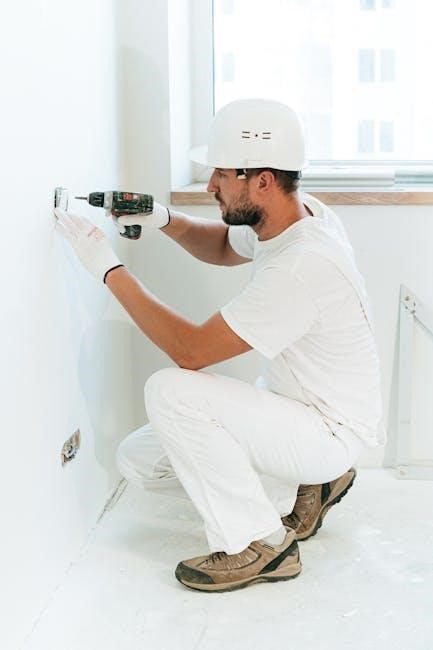
This section provides a detailed, step-by-step guide to physically installing the DSC 1832 control panel and its associated components.
Follow these instructions carefully for a secure and reliable security system setup.
Proper installation is key to optimal performance and long-term system stability.
Preparing for Installation
Before commencing the DSC 1832 installation, meticulous preparation is crucial for a successful outcome. First, thoroughly review the system requirements and compatibility guidelines to ensure all components are suitable for the intended environment. Verify you have all necessary tools, including wiring connectors, screwdrivers, and a digital multimeter for testing.
Next, carefully unpack all components and inspect them for any shipping damage. Confirm the control panel, keypad, sensors, and power supply are present and in good working order. Plan the optimal placement of each component, considering signal strength, accessibility, and aesthetic considerations.
Crucially, disconnect power to the installation area to prevent electrical hazards. Familiarize yourself with local building codes and regulations regarding security system installations. Finally, gather all relevant documentation, including the installer manual and wiring diagrams, for easy reference throughout the process.
Step-by-Step Installation Guide
Begin by mounting the DSC 1832 control panel in a secure, central location, ensuring adequate ventilation. Connect the backup battery, then proceed with wiring the power supply, adhering to polarity guidelines. Next, install and connect the keypad, verifying proper communication with the control panel.
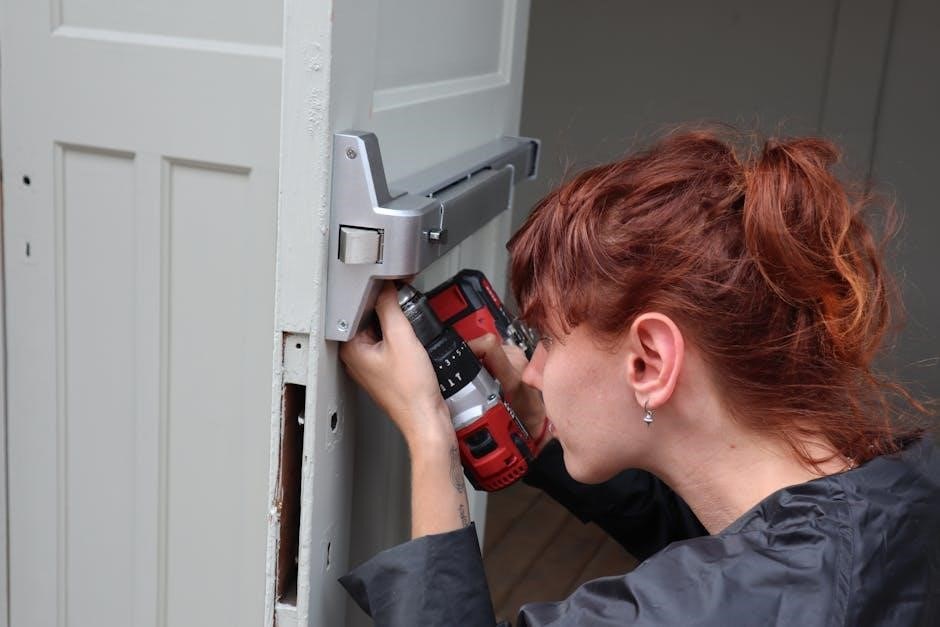
Subsequently, install each sensor – door contacts, motion detectors, and glass break sensors – following the manufacturer’s instructions. Carefully run wiring, avoiding sharp bends and potential interference sources. Zone programming will be completed later, but ensure each sensor is uniquely identified during wiring.
Finally, test all sensors and the keypad functionality to confirm proper operation. Document all wiring connections and zone assignments for future reference and troubleshooting.
Post-Installation Configuration
After physical installation, configure the DSC 1832 system through the programming interface. Define user access codes, assigning appropriate permissions for each user. Configure entry and exit delays, tailoring them to the specific needs of the premises. Program the alarm response sequence, specifying actions upon alarm activation – siren, notification to monitoring center, etc.
Next, configure communication settings, ensuring reliable connection to the central monitoring station. Test the communication link regularly to verify functionality. Customize zone definitions, assigning descriptive names to each sensor location.
Finally, perform a comprehensive system test, triggering each sensor to confirm proper response and notification. Document all configuration settings for future reference and maintenance.

Programming the DSC 1832
This section details accessing the programming interface and mastering essential concepts for customizing the DSC 1832 system.
Explore advanced features to tailor security settings and optimize system performance for specific needs.
Accessing the Programming Interface
The DSC 1832 system’s programming interface is primarily accessed through a dedicated software application, typically installed on a Windows-based computer. This software establishes a communication link with the control panel, enabling users to modify system parameters and configurations. Before initiating the connection, ensure the computer meets the specified system requirements and that the necessary communication drivers are installed correctly.
Connection methods generally involve a direct serial connection using an RS-232 cable, or a network connection via TCP/IP if the panel is equipped with networking capabilities. The software interface presents a structured menu system, allowing navigation through various programming sections, including zone definitions, user codes, event triggers, and communication settings.
Successful access requires appropriate user credentials – typically a master access code – to prevent unauthorized modifications. Always document any changes made to the programming settings for future reference and troubleshooting purposes. Refer to the detailed software documentation for specific instructions and advanced configuration options.
Basic Programming Concepts
Understanding core programming concepts is crucial for effective DSC 1832 system configuration. Zones represent individual detection points – doors, windows, motion sensors – and are programmed as normally open or normally closed, defining their expected state. User codes grant access to arm and disarm the system, with varying privilege levels for different users.
Event triggers define the system’s response to specific occurrences, such as an alarm activation or a zone tamper. These triggers can initiate actions like siren activation, notification to a monitoring station, or relay output control. Partitioning divides the system into independent zones, allowing selective arming and disarming.
Programming involves assigning these elements and defining their interactions. Careful consideration of zone types, user access levels, and event responses is essential for a reliable and tailored security solution. Always test programmed settings thoroughly to ensure proper functionality and avoid false alarms.
Advanced Programming Features
The DSC 1832 offers sophisticated features for customized security solutions. Macro programming allows automating sequences of actions triggered by specific events, like turning on lights upon alarm activation. Downloadable firmware updates ensure the system remains current with the latest security protocols and functionalities.
IP connectivity enables remote access and control via smartphone apps or web browsers, facilitating system monitoring and management from anywhere. Integration with smart home platforms expands automation possibilities, linking the security system with lighting, thermostats, and other devices.
Advanced reporting options provide detailed event logs and system status information, aiding in troubleshooting and security analysis. Utilizing these features requires a thorough understanding of the system’s architecture and programming interface, ensuring optimal performance and security.

Troubleshooting Common Issues
This section provides solutions for connectivity, sensor, and communication problems.
It offers step-by-step guidance to diagnose and resolve frequent issues encountered during system operation.
Effective troubleshooting ensures optimal system performance and reliability for enhanced security.
Connectivity Problems
Addressing connectivity issues is crucial for a functional DSC 1832 system. Initial troubleshooting should verify physical connections – ensuring all wiring is secure and undamaged. Confirm the panel has power and the communication module is correctly installed.
If the panel fails to communicate with the monitoring station, check the phone line (if applicable) or internet connection. Verify the account details programmed into the panel match the monitoring station’s records. For IP connectivity, confirm the panel has a valid IP address, subnet mask, and gateway, and that the firewall isn’t blocking communication.
Consider testing the communication module directly with the monitoring station to isolate the problem. If using a cellular communicator, ensure adequate signal strength. Review the panel’s event log for specific error messages related to communication failures, as these provide valuable clues for diagnosis. Finally, consult the DSC 1832 documentation or support resources for detailed troubleshooting steps.
Sensor Issues & Solutions
Troubleshooting sensor problems is a common task during DSC 1832 installation and maintenance. Begin by verifying the sensor’s power source – check batteries or wiring connections. Ensure the sensor is correctly programmed into the panel’s zone definitions, with the appropriate zone type assigned.
If a sensor consistently triggers false alarms, investigate potential causes like loose wiring, environmental factors (e.g., drafts, sunlight), or interference. Adjust the sensor’s sensitivity settings if possible. For wireless sensors, confirm signal strength and check for interference from other devices.
When a sensor fails to trigger, test it directly using a multimeter to confirm functionality. Inspect the wiring for breaks or shorts. Review the panel’s event log for any error messages related to the specific zone. Consult the sensor’s datasheet for specific troubleshooting guidance and refer to the DSC 1832 manual for advanced diagnostic procedures.
Communication Errors
DSC 1832 systems rely on reliable communication between the panel, sensors, and monitoring station. Communication errors can manifest as “no signal” messages, delayed alarm reports, or intermittent connectivity. First, verify the physical connection of the communication module (e.g., Ethernet, cellular). Check the panel’s programming to ensure the correct communication format and account details are entered.
For IP-based communication, confirm network connectivity and firewall settings. Ensure the panel has a valid IP address and can ping the monitoring station’s server. If using cellular communication, verify signal strength and SIM card activation.
Review the panel’s event log for specific error codes related to communication failures. Contact the monitoring station to confirm they are receiving signals from the panel. Consult the DSC 1832 manual for detailed troubleshooting steps and advanced diagnostic tools.

User Manual & Support Resources
Access the comprehensive DSC 1832 user manual for detailed operation instructions and troubleshooting.
Explore online forums and Microsoft support for additional assistance and community-based solutions.
Navigating the User Manual
The DSC 1832 User Manual is designed as a personal tutor, guiding you through every aspect of system operation. It’s structured for intuitive access, beginning with fundamental concepts and progressing to advanced features.
Each section contains clear explanations, illustrative diagrams, and step-by-step instructions. Utilize the table of contents for quick navigation to specific topics, such as programming, troubleshooting, or component details.
A robust search function allows you to pinpoint information using keywords. Pay close attention to safety warnings and important notes highlighted throughout the manual.
Remember to review the user agreement terms before proceeding with installation or operation. This manual serves as your primary resource for maximizing the potential of your DSC 1832 system, ensuring a secure and reliable experience.
Accessing Online Support Forums
The DSC online support forums provide a collaborative environment for users to connect, share knowledge, and find solutions. These forums are a valuable resource for troubleshooting issues, asking questions, and learning best practices from experienced users and DSC experts.
Registration is typically required to participate, granting access to a wealth of information and the ability to post queries. Before posting, utilize the search function to see if your question has already been addressed.
When posting, provide detailed information about your issue, including the DSC 1832 model, firmware version, and any relevant error messages.
Remember to adhere to the forum’s guidelines and maintain respectful communication. The community is a great place to find help and contribute to the collective knowledge base.
Contacting Microsoft Support
While the DSC 1832 system is a security product, integration with Microsoft 365 Copilot and Windows updates necessitates potential contact with Microsoft Support. This is particularly relevant concerning Copilot features, GPT-5.5, and ChatGPT Images 2.0 support, or issues arising from Windows updates impacting system compatibility.
Microsoft Support can be reached through their official website, offering various channels like online chat, phone support, and email submission.
Be prepared to provide detailed information about your system configuration, the specific issue encountered, and any error codes.
Having your product key and purchase information readily available will expedite the support process.
Remember to clearly articulate the problem and any troubleshooting steps already taken.

Microsoft 365 Copilot Integration (April 2026)
Copilot’s April 2026 update introduces Claude Opus 4.7 and GPT-5.5, enhancing analysis and multi-step workflows within the DSC 1832 system.
Copilot with Claude Opus 4.7
The integration of Anthropic’s Claude Opus 4.7 into Microsoft 365 Copilot, announced in April 2026, represents a significant advancement in AI-powered assistance for DSC 1832 users.
This model, now available within Copilot Cowork (Frontier) and Copilot, offers enhanced capabilities for complex tasks, providing deeper insights and more nuanced responses.
Specifically, for DSC 1832 installations, Claude Opus 4.7 can assist in interpreting intricate system logs, identifying potential compatibility issues, and generating customized installation scripts.
Its advanced reasoning abilities allow for more effective troubleshooting and proactive problem-solving, ultimately streamlining the installation and configuration process.
Users can leverage Claude Opus 4.7 to accelerate their workflows and ensure a more reliable and secure DSC 1832 deployment.
GPT-5.5 and ChatGPT Images 2.0 Support
The April 2026 update to Microsoft 365 Copilot introduces support for GPT-5.5 and ChatGPT Images 2.0, enhancing its utility for DSC 1832 installers.
GPT-5.5’s improved analytical capabilities enable more thorough assessment of system requirements and compatibility, minimizing potential installation conflicts.
ChatGPT Images 2.0 facilitates visual troubleshooting by allowing users to upload screenshots of installation errors or system configurations for AI-powered analysis.
This feature is particularly valuable for identifying hardware or software inconsistencies that may impede a successful DSC 1832 setup.
Combined, these advancements provide installers with a powerful suite of tools for faster, more accurate diagnostics and streamlined problem resolution.
Windows Updates & SaRA Utility (March 2026)
The SaRA utility has been removed from Windows updates, impacting DSC 1832 installers; alternative scripting methods are now essential for system readiness.
Removal of SaRA Utility
As of March 10, 2026, Microsoft officially discontinued the SaRA (Scan and Repair Agent) utility within all supported Windows update versions. This change directly impacts DSC 1832 installers who previously relied on SaRA scripts for pre-installation system checks and repair processes. The utility was designed to identify and resolve common Windows component issues that could hinder software installations, including security-related components crucial for alarm system functionality.
Consequently, existing SaRA scripts will no longer function as intended. Installers must now adopt alternative methods to ensure system compatibility and stability before deploying the DSC 1832 system. This includes utilizing built-in Windows troubleshooting tools, PowerShell scripting, or third-party system diagnostic software to verify the integrity of essential Windows components. Thorough pre-installation checks are now more critical than ever to avoid potential conflicts and ensure a successful installation.
Alternatives to SaRA Scripts
With the removal of SaRA, DSC 1832 installers must implement alternative strategies for pre-installation system validation. Utilizing built-in Windows tools like System File Checker (SFC) and DISM (Deployment Image Servicing and Management) provides robust component verification and repair capabilities. PowerShell scripting offers a customizable approach, allowing installers to create tailored checks for specific system requirements crucial for DSC 1832 operation.
Furthermore, exploring third-party system diagnostic software can offer comprehensive assessments of system health. These tools often provide detailed reports and automated repair options. It’s vital to ensure any chosen alternative thoroughly checks for corrupted system files, proper .NET Framework functionality, and up-to-date Windows updates – all critical for seamless DSC 1832 integration. Prioritizing these checks will minimize post-installation issues and ensure optimal system performance.