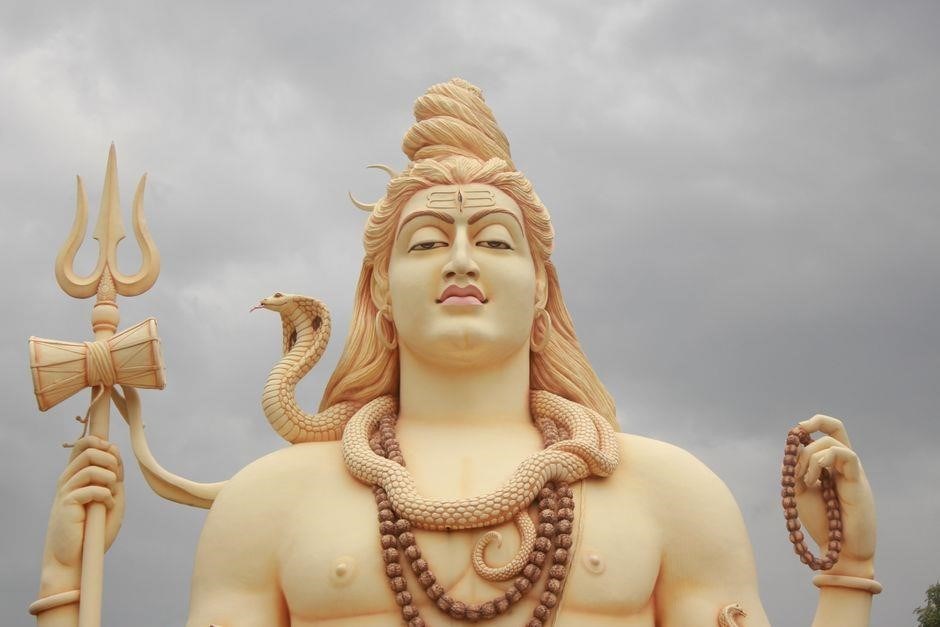
Sivananda Lahari is a revered Telugu devotional composition by the sage Sivananda, presenting lyrical verses that illuminate non-dual wisdom and inspire heartfelt devotion. It guides practitioners through meditation, self-inquiry, and devotional surrender fostering inner peace and divine connection
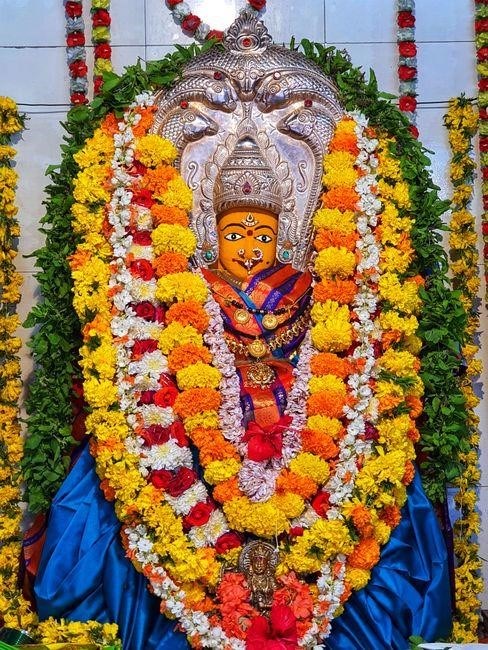
Purpose of the Text
The primary purpose of the Sivananda Lahari is to serve as a direct conduit for spiritual aspirants seeking ultimate union with the Supreme Consciousness through the integrated path of devotion and self-knowledge. This sacred text functions not merely as a poetic collection of hymns but as a comprehensive practical manual for inner transformation, systematically dismantling the ego’s persistent false identifications while simultaneously kindling the radiant flame of divine love deep within the heart; Each verse is meticulously crafted to address the fluctuating states of the human mind, offering profound solace during despair, crystal clarity amidst confusion, and ecstatic celebration upon the realization of the true Self. It bridges the apparent gap between rigorous Advaitic philosophy and the sweetness of Bhakti, demonstrating that true knowledge inevitably culminates in complete surrender. The work aims to purify the subtle antahkarana (inner instrument), rendering it a perfectly fit vessel for the clear reflection of the Atman. By chanting or contemplating these verses, the practitioner engages in a subtle inner alchemy, transmuting base instincts into spiritual gold. Furthermore, the text acts as a clear mirror, reflecting the reader’s own spiritual maturity and highlighting subtle obstacles such as pride, doubt, and attachment. Its ultimate objective is to guide the weary soul from the shore of Samsara—the endless cycle of birth and death—to the boundless ocean of Sivananda, the bliss of Shiva, establishing the reader firmly in their true nature as pure awareness and eternal bliss. Regular study of this scripture cultivates discrimination, dispassion, and an unwavering focus on the divine, ultimately leading to liberation from all suffering. A vital guide for all sincere seekers of the ultimate truth.
Target Audience and Benefits
The Sivananda Lahari addresses a vast array of spiritual aspirants, encompassing householders seeking peace amidst duties, renunciates craving philosophical depth, and students of Vedanta desiring clear non-dual exposition. Devotees of Lord Shiva find a direct channel for intimate communion and divine grace. Regular engagement with this scripture yields profound multidimensional benefits. Mentally, it purifies latent impressions (vasanas), dissolves anxiety, and cultivates unshakeable equanimity amidst life’s inevitable dualities. It sharpens discrimination (viveka) and dispassion (vairagya), the twin wings essential for liberation’s flight. Physiologically, rhythmic chanting regulates breath, calms the nervous system, and promotes holistic health. Socially, it nurtures compassion, ethical conduct, and harmonious relationships. Ultimately, the text bestows the supreme fruit of Self-realization, revealing the reader’s inherent identity with the infinite, blissful Shiva. It serves as an indispensable lifelong companion, guiding the soul through every evolutionary stage toward the final goal of absolute freedom, peace, and the cessation of all suffering. This sacred scripture remains universally accessible and transformative for all sincere seekers regardless of background or stage. Furthermore, the verses act as a powerful mirror reflecting the practitioner’s progress, highlighting subtle obstacles like pride and doubt while offering specific remedies through surrender and self-inquiry. The text bridges the gap between theoretical knowledge and direct experience, making abstract Advaita concepts tangible and applicable in daily life. It instills unwavering faith in the guru’s grace and the efficacy of the spiritual path, removing the despair that often accompanies prolonged practice. By internalizing these teachings, one develops a reservoir of inner strength capable of withstanding life’s fiercest storms now
Historical Background and Significance
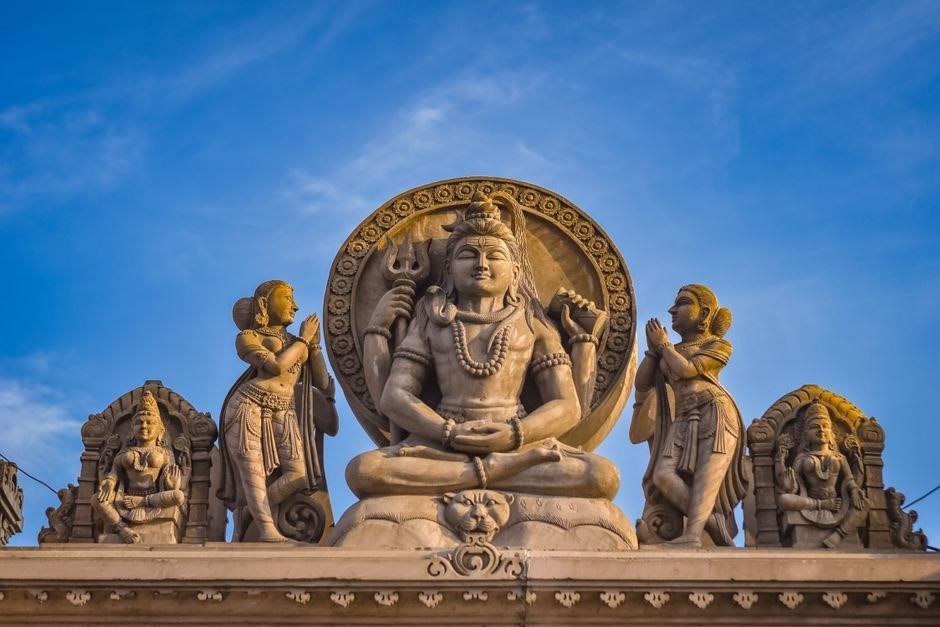
This seminal work emerged from the vibrant Bhakti movement in South India, blending rigorous Advaita metaphysics with ecstatic Shiva devotion. Its historical impact reshaped Telugu spiritual discourse, offering a unique synthesis of philosophy and poetic worship that continues to deeply inspire countless generations of seekers today.
Author and Lineage
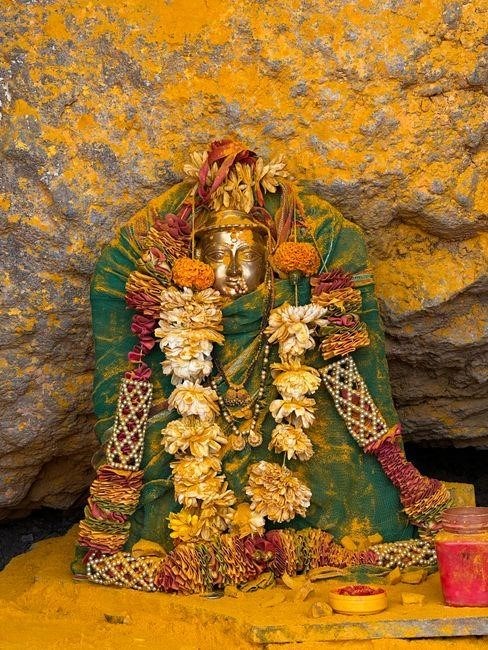
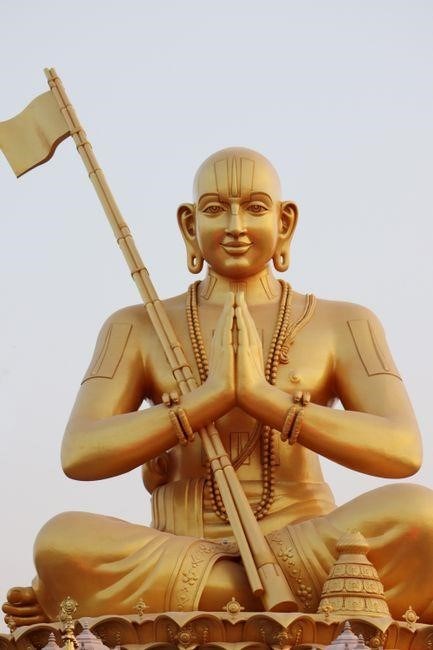
The authorship of Sivananda Lahari is traditionally attributed to the illustrious eighth-century philosopher and theologian Adi Shankaracharya, the supreme exponent of Advaita Vedanta. Born in Kalady, Kerala, he renounced worldly life early, mastering the Vedas and Upanishads under his guru Govinda Bhagavatpada. Legend holds that he composed this century of verses while residing at the sacred shrine of Srisailam, invoking the grace of Mallikarjuna Swamy to alleviate the suffering of humanity through the direct path of self-knowledge and divine love. This lineage traces back to the divine sage Gaudapada, establishing a direct succession of non-dual wisdom. Shankara founded four cardinal monasteries (mathas) across India—Sringeri, Dwaraka, Puri, and Badrinath—to preserve and propagate his teachings. The Dashanami Sampradaya of monastic orders originates from him, organizing renunciates into ten distinct lineages. As a prolific composer, he authored numerous commentaries (Bhashyas) on the Prasthanatrayi and independent poetic works (Stotras) like Soundarya Lahari and this very text. Furthermore, the text serves as a crucial bridge between the abstract metaphysics of the Upanishads and the living practice of bhakti, demonstrating that the highest knowledge arises only when the intellect is purified by the fire of unwavering devotion to the Supreme Lord. Sivananda Lahari specifically reflects his mature devotional synthesis, addressing Lord Shiva as the embodiment of the formless Brahman. The work stands as a testament to his unique ability to harmonize rigorous intellectual analysis with profound emotional surrender, a hallmark of his enduring spiritual legacy that continues to guide the Smarta tradition and broader Hindu thought globally today.
Philosophical Foundations
The philosophical bedrock of Sivananda Lahari rests upon the non-dualistic framework of Advaita Vedanta, asserting the ultimate identity of the individual soul (Atman) with the supreme reality (Brahman). This text synthesizes the path of knowledge (Jnana Yoga) with the path of devotion (Bhakti Yoga), presenting them as stages of a singular journey toward liberation. The verses articulate Maya as the veiling power projecting multiplicity onto the non-dual substrate, creating the illusion of separation. Liberation (Moksha) is the removal of ignorance (Avidya) through self-awareness. Central is the role of Ishvara as Lord Shiva, the supreme cause of the universe, untouched by modifications. The text emphasizes Sharanagati (total surrender) to transcend the ego, inviting divine grace to dispel delusion. It explores the mind (Manas), intellect (Buddhi), and ego (Ahamkara) for purification. The doctrine of Vivarta Vada underpins the cosmology, explaining creation as apparent transformation. Ultimately, the work champions the realization of Satchidananda (Existence-Consciousness-Bliss) as the true nature of eternal self, attainable via deep meditation. It elaborates on Adhyasa as the fundamental error. The text discusses Vasanas and Karma perpetuating Samsara. It prescribes Viveka and Vairagya as prerequisites. The practice of Upasana on the Linga steadies mind. Obstacles like Mala, Vikshepa, and Avarana are overcome by Sadhana including Atma Vichara. The final state is Jivanmukti, now abiding in oneness and bliss.

Influence on Telugu Devotional Literature
The profound impact of Sivananda Lahari on Telugu devotional literature remains unparalleled, establishing a benchmark for poetic excellence fused with metaphysical depth. It pioneered a unique genre where complex Advaita doctrines were rendered accessible through melodious Telugu verse, inspiring generations of saint-poets like Tyagaraja, Annamacharya, and Kshetrayya to integrate philosophical rigor into their lyrical compositions. The work’s distinctive meter and rhetorical devices, such as Alankaras and Dvipada structures, became templates for subsequent Satakas and Kritis. Its emphasis on Nirguna Bhakti (attributeless devotion) alongside Saguna worship broadened the theological spectrum, allowing folk traditions to merge with high Vedantic thought. The text catalyzed the Bhakti movement in the Deccan, fostering a culture where spiritual discourse transcended Sanskrit exclusivity. Manuscript traditions preserved its purity, while oral recitations embedded its verses in daily rituals and temple liturgies. Modern scholars cite its influence on Navya Sahityam (neo-literature), noting how its introspective tone anticipates contemporary existential themes. Translations and commentaries proliferated, cementing its status as a Pramana (authoritative text) for Telugu Saiva Siddhanta and Vedanta studies. It continues to shape spiritual pedagogy and artistic expression regionally, ensuring its relevance for seekers of truth. Its legacy endures in music concerts, dance dramas, and academic curricula, perpetuating a living tradition of devotional scholarship.
Structure and Chapter Overview
The text comprises one hundred verses structured as a progressive ascent from duality to non-duality. Major divisions address guru devotion, self-inquiry, meditation techniques, and the dissolution of ego. Each section flows logically into the next, forming a cohesive spiritual roadmap for liberation and true peace now!.
Major Sections and Themes
The composition unfolds systematically across several major thematic divisions each reflecting a distinct stage of spiritual maturation and inner unfolding for the dedicated seeker. The initial segment focuses intensely on Guru Bhakti establishing the preceptor as the living embodiment of the Supreme and the sole gateway to liberation for the struggling aspirant lost in samsara. Following this foundation the text delves deeply into the anatomy of the mind dissecting the functions of Manas Buddhi Chitta and Ahamkara to reveal precisely how ignorance binds the soul in endless cycles of birth and death. A substantial middle portion is dedicated to practical Sadhana outlining specific methods such as breath regulation mantra repetition and meditation on the spiritual heart center as effective tools for purification of the subtle body. This practical instruction transitions seamlessly into high Advaita metaphysics where the author negates the reality of the world body and mind through rigorous Neti Neti analysis asserting the non-dual nature of Brahman as the only absolute truth. The final movement culminates in Para Bhakti a supreme state where the realized sage sees the Lord in all beings and rests effortlessly in the natural state of Sahaja Samadhi beyond duality. Themes of surrender self-inquiry and divine love interweave throughout the entire text creating a comprehensive manual for the earnest aspirant seeking freedom. Additionally the work includes specific prayers for protection from obstacles and verses describing the glory of the sacred vibration Omkara as the direct symbol of the formless reality. The poetic meter enhances memorization allowing students to internalize the philosophy through daily recitation and contemplation of the profound meaning embedded within each syllable. This unique blend of philosophy poetry and practice makes it a complete scripture for self-realization in the modern age for every seeker today always.

Key Verses and Commentary
Among the most celebrated stanzas the opening invocation verse stands as a supreme masterpiece of poetic theology addressing the Lord as the very essence of consciousness that illumines the intellect remains untouched by its modifications. Traditional commentators highlight the profound double entendre in the phrase Sivananda equating the bliss of Shiva with the author’s own realized state suggesting an identity of the composer with the subject matter. Verse twelve which declares the mind alone is the cause of bondage and liberation receives glosses explaining the three gunas as ropes and the practice of witness consciousness as the sword of discrimination that severs them. The Hridaya verse locating the self in the spiritual heart two digits to the right of the center is analyzed in traditional commentaries as a direct pointer for meditation practice rather than anatomical description. Later verses describing the state of the Jivanmukta use the metaphor of the waveless ocean to illustrate the settled mind reflecting the supreme reality without distortion. Scholars note the deep influence of Yoga Vasistha and Ribhu Gita in the terse aphoristic style of these closing sections. Each verse is chanted in specific meters like Utpalamala or Champakamala which preserve the potency of the Sanskrit roots in the Telugu vocabulary. The concluding phala shruti verses promise the removal of all sins and the attainment of videha mukti for those who recite daily the text with faith and understanding of inner meaning. Detailed word by word anvaya and tatparya explanations are provided in classical commentaries ensuring the subtle intent of the sage is transmitted accurately across generations of most earnest students seeking the direct path to self-knowledge through very deep devotional wisdom and clear understanding always.
Study Approaches for Practitioners
Serious aspirants adopt a threefold methodology of systematic recitation contemplative reflection and meditative absorption to internalize the profound teachings. Begin each session by chanting the verses in the prescribed meter allowing the sonic vibration to purify the subtle nadis and steady the wandering mind. Following recitation allocate time for manana or deep reflection on the meaning of each stanza consulting authentic commentaries to resolve doubts and clarify the intended philosophical nuance. Practitioners are encouraged to maintain a dedicated journal recording insights obstacles and shifts in understanding that arise during this process. Group study circles or satsangs amplify the collective energy enabling participants to share realizations and support one another on the path. Advanced students may focus on specific verses identified as mahavakyas or great sayings using them as focal points for nididhyasana the profound meditation on the identity of the individual self with the supreme consciousness. Regular review of the phala shruti verses reinforces faith in the efficacy of the practice. Integrating the teachings into daily life by cultivating detachment compassion and selfless service transforms intellectual knowledge into direct experiential wisdom. Consistency patience and humility remain the indispensable keys unlocking the transformative power of this sacred text for every sincere seeker pursuing liberation daily. Devotees must observe strict dietary purity and silence after practice to consolidate subtle energies awakened by the sacred chanting.
Accessing the Telugu PDF Version
Obtaining a digital copy of this sacred scripture requires careful navigation of online repositories. Seek authenticated archives hosted by established spiritual institutions or recognized cultural preservation societies to ensure textual integrity and accurate diacritical marks for proper pronunciation.
Reliable Sources for Download
Devotees seeking authentic Sivananda Lahari Telugu PDF files should prioritize websites affiliated with established mathas, ashrams, or reputable Sanskrit and Telugu manuscript libraries to guarantee textual fidelity. The official portals of organizations like the Sringeri Sharada Peetham, Kanchi Kamakoti Peetham, or the Ramakrishna Mission often host verified scriptures with accurate transliteration, diacritical marks, and scholarly commentary. Additionally, digital archives such as the Digital Library of India (DLI), Archive.org collections curated by Indology scholars, and the Sanskrit Documents List (sanskritdocuments.org) provide scans of printed editions that are in the public domain. These platforms include metadata detailing the source library, shelf mark, and condition of the original artifact. University library repositories, particularly those with strong South Asian studies departments like the University of Hyderabad or Osmania University, occasionally digitize rare palm-leaf manuscripts and early printed books for academic access. When searching, use specific keywords including the editor’s name, publication year, publisher, and script type to filter out incomplete or erroneous OCR outputs. Cross-referencing the opening and closing verses with a known printed standard ensures the downloaded file represents the complete Sivananda Lahari text without interpolations or missing chapters. Always verify the credibility of the uploader before downloading executable files or unknown formats to protect your device and ensure data integrity. Consider comparing multiple sources for textual variants and consulting academic bibliographies for authoritative edition identification. This diligence preserves the sanctity of the daily recitation practice and supports the preservation efforts worldwide.
Legal and Ethical Considerations
While the core verses of Sivananda Lahari originate from ancient tradition and reside in the public domain, specific printed editions, translations, commentaries, and high-resolution digital scans often carry distinct copyright protections held by publishers, trusts, or scanning institutions under Indian Copyright Act. Users must carefully verify the license attached to any PDF before redistribution, commercial exploitation, or inclusion in derivative works; many ashrams offer free downloads strictly for personal study and devotional use, explicitly prohibiting mass replication, sale, or modification of the file structure. Ethically, practitioners should honor the immense labor of scholars who edit, annotate, and typeset these works by purchasing physical copies when feasible, thereby sustaining the publishing houses and monastic presses that preserve Telugu literary heritage. Altering the Sanskrit or Telugu text, removing watermarks, or stripping metadata constitutes a violation of both legal rights and the reverence due to sacred literature. Furthermore, downloading from unauthorized aggregator sites risks malware exposure and inadvertently supports piracy ecosystems that undermine legitimate preservation efforts. Always attribute the source institution when sharing excerpts in discourses or publications. Respecting these boundaries ensures the continuity of dharma-based knowledge transmission and protects the intellectual property ecosystem surrounding devotional texts for future generations of seekers and researchers alike. Many releases use CC licenses requiring attribution. Moral rights protect author intention. Support monastery donations today to honor spiritual value received generously!